
Author: Hayden Fletcher
Hayden Fletcher is a logistics specialist with two decades of experience in international freight forwarding and global trade. He breaks down complex supply chain issues into practical insights for shippers and businesses.
Global supply chains are entering a new era. Rising geopolitical tension, tighter customs rules, volatile capacity across major airlines, and shifting ocean alliances are reshaping how goods move across continents. At the centre of this system sits an industry often overlooked but essential: international freight forwarders.
Phorums.com.au delivers reporting, analysis, and expert commentary on the networks, policies, and players shaping international logistics. Our focus is to help organisations understand how freight decisions are made—and how they influence cost, compliance, and long-term trade resilience.
How Global Freight Forwarders Keep Trade Moving in an Uncertain World
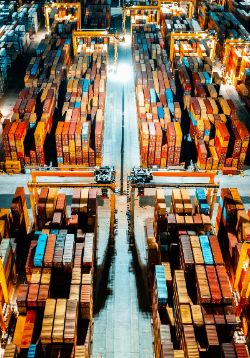 International supply chains face pressure not seen in decades. Port congestion, rapid fuel swings, war-driven detours, and fluctuating bilateral agreements all disrupt normal transport cycles. In this environment, freight forwarders act as negotiators, risk managers, and tactical planners.
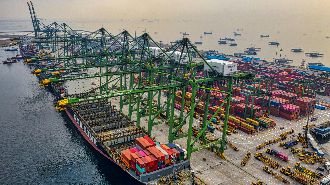
Their work ties together shipping lines, airlines, customs systems, port operators, and inland logistics networks. They coordinate documentation, trade compliance, routing strategies, cargo insurance, and multimodal transport—ensuring that businesses across the Asia-Pacific, Europe, the United States, and the Middle East can keep trading despite uncertainty.
Our coverage takes readers behind the scenes of these operations, explaining the frameworks and decisions that allow cross-border trade to continue even when the global system falters.
Australia’s Trade Routes Under the Microscope
From the high-volume Australia–China corridor to the trans-Pacific routes linking Sydney and Melbourne with Los Angeles, San Francisco, and Vancouver, Australia’s trade lanes define the country’s economic rhythm. These routes carry everything from LNG equipment and agricultural commodities to pharmaceuticals, electronics, and precision machinery.
Shifts in demand, carrier strategy, and government oversight shape how these corridors evolve. We track how policy changes from the Australian Border Force (ABF), DAFF Biosecurity, state port authorities, and major carriers—including Maersk, MSC, Qantas Freight, Singapore Airlines Cargo, and regional operators—affect capacity, cost, and reliability.
Today’s Essential Coverage
In-Depth Reports on International Freight Forwarding
The real work behind customs clearance and tariff classification
Why Incoterms continue to define how risk and cost shift between buyers and sellers
How global airlines and shipping lines adjust capacity when markets tighten
The push for visibility through digital freight platforms and real-time tracking
What shippers need to know about congestion, transit times, and carrier surcharges
These reports serve importers, exporters, manufacturers, and logistics professionals seeking clear, research-driven insights.
Logistics Intelligence for Professionals
Analysis Backed by Core Industry Entities
Our editorial framework draws from the systems, policies, and organisations shaping international logistics, including:
World Customs Organization (WCO)
International Chamber of Commerce (ICC)
International Air Transport Association (IATA)
International Maritime Organization (IMO)
Australian Border Force (ABF)
Department of Agriculture, Fisheries and Forestry (DAFF)
Port of Melbourne, Port Botany, Fremantle Ports, Brisbane Port
Major air-cargo and ocean-freight networks worldwide
Every article is anchored in the real-world practices used by freight forwarders, customs brokers, supply-chain analysts, port operators, and cross-border trade experts.
Featured Analysis
What Does an International Freight Forwarder Do?
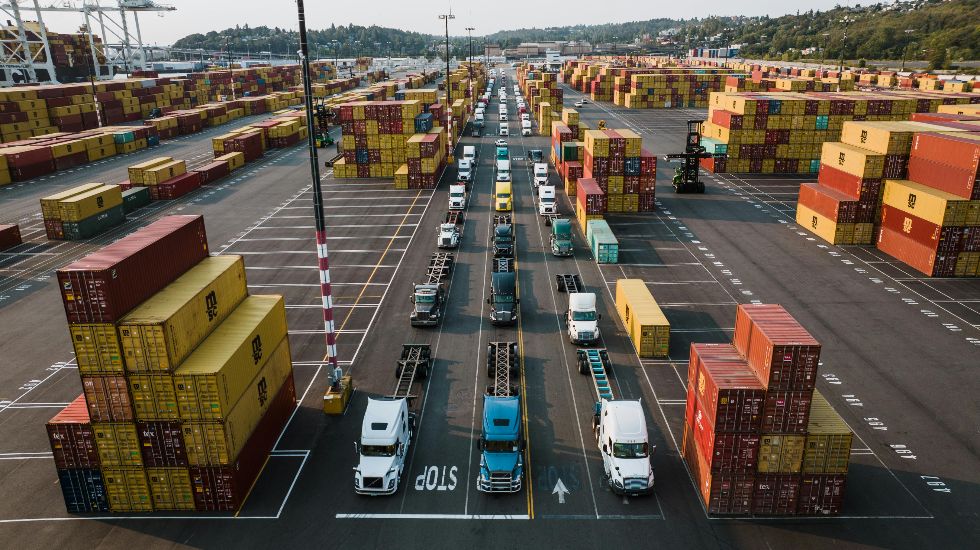
A deep look at the intermediaries who negotiate rates, manage routing, handle compliance, arrange multimodal transport, and resolve risks across international borders.
Understanding Customs Clearance in Australia
A breakdown of how goods move through ABF and DAFF screening, tariff classification, biosecurity checks, prohibited goods lists, and inspection pathways.
Incoterms for Importers and Exporters
An essential guide to the ICC rules—FOB, CIF, EXW, DDP—and how they determine responsibility, risk, and delivery obligations.
Air Freight vs Sea Freight
A comparative analysis of cost structures, speed, carbon intensity, carrier reliability, and best-fit scenarios for different industries.
Top Trade Routes from Australia
An editorial review of major global corridors involving China, Japan, Singapore, India, South Korea, the UAE, and the United States.
Market Intelligence & Supply-Chain Trends
Freight markets are data driven. Our updates cover:
Weekly ocean freight indexes and bunker fuel adjustments
Air cargo capacity out of Sydney, Melbourne, Perth, and Brisbane
Agricultural and mining export forecasts
Bottlenecks triggered by geopolitical events or carrier realignment
Seasonal trends that affect transit times and costs across the Asia–Pacific
These insights help businesses anticipate disruptions rather than react to them.
Guides & Essential Resources for Businesses
We provide practical, research-backed explainers for anyone shipping internationally:
How to import goods into Australia under ABF and DAFF controls
Biosecurity risk categories and inspection pathways
Documentation checklists for exporters and importers
How to select the right freight forwarder by service scope and route expertise
Common shipping terminology influencing contracts and transit planning
Industry-Specific Logistics Coverage
Mining & Project Cargo
Heavy machinery, oversized shipments, and remote-region logistics require specialised carriers and route planning.
Pharmaceutical & Healthcare Supply Chains
Cold-chain reliability, airport handling requirements, and temperature-controlled transport for vaccines and biologics.
Agriculture, Food, and Perishables
Fast-cycle logistics, quality controls, and the export demands of beef, dairy, fruits, grains, and seafood.
Editorial Briefings & Global Trade Watch
Our weekly briefings bring together commentary from logistics analysts, economists, supply-chain researchers, and industry professionals. Coverage spans carrier schedule changes, port congestion, sanctions lists, route closures, aviation constraints, and shifts in global demand.
Built for Readers Who Want Clarity in a Complex System
Phorums.com.au is designed for importers, exporters, procurement teams, logistics managers, and business leaders who want trustworthy, well-sourced reporting. We cover the decisions, regulations, and transport networks that determine how goods move around the world.
Whether you are navigating customs for the first time, scaling an export operation, or simply tracking global freight markets, our goal is to give you context—clear, accurate, and grounded in expert insight.